Harness Extra Money to Tackle Financial Issues
Financial Solutions can significantly impact your financial well-being, especially when it comes to making the most of extra money.

This article will explore various strategies to effectively utilize additional cash, including paying off high-interest debt, building an emergency fund, and investing in wealth growth.
Request your personal loan today with ease
Consolidate your debts with a personal loan now
Get a loan with flexible payments today
By understanding these options, you can take charge of your finances, paving the way for a more secure and prosperous future.
Whether your goal is to boost retirement savings or save for future aspirations, discovering the right approach can lead to lasting benefits.
Why Readily Available Cash Matters
Having readily available extra money can be a financial lifesaver in times of unexpected challenges.
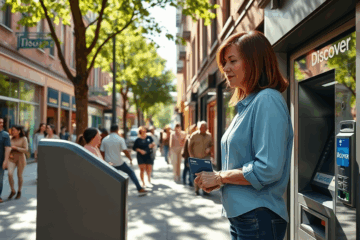
Managing unforeseen expenses effectively requires preparedness, and even a modest reserve can make a difference.
Such funds help in avoiding debt and the stress associated with unexpected financial burdens.
Surprising costs can arise at any moment, disrupting your budget.
Consider these typical unexpected expenses:
- Car repairs
- Home maintenance issues
- Medical emergencies
- Sudden travel needs
By having a financial cushion, you minimize the impact on your day-to-day life and avoid the need to reach for a credit card or dip into long-term investments.
Beyond buffering against surprise costs, maintaining extra cash on hand provides you with immediate peace of mind.
This security fosters confidence, allowing you to focus on your larger financial goals.
Setting aside a small amount consistently, as advised in resources like the Consumer Finance Emergency Fund Guide, can go a long way.
Prioritizing savings and securing financial stability ensures you remain on track towards a more prosperous future.
Rapid, Safe Ways to Generate Extra Cash
Generating extra cash quickly can be a crucial strategy for addressing financial challenges.

There are various practical and realistic sources, ranging from gig economy jobs to selling unused items, each with its own benefits and limitations.
By exploring these opportunities, individuals can find effective solutions to improve their financial well-being.
Sell Unused Household Items
Utilizing decluttering platforms such as Facebook Marketplace and eBay can significantly aid in converting unused belongings into cash.

Start by identifying items that hold potential value, such as electronics, furniture, or clothing.
Effective pricing requires researching similar listings to ensure competitiveness.
A well-crafted description paired with high-quality photos attracts more buyers.
Furthermore, platforms like Etsy enable reaching niche markets, maximizing sales potential through their global reach.
Safety is paramount when selling locally; always meet in well-lit, public places and consider bringing a friend.
Online transactions offer the advantage of not meeting buyers directly but emphasize using secure payment options to protect yourself financially.
Remember, maintaining clear and transparent communication throughout the process not only fosters trust but also expedites transactions.
By leveraging these platforms, you effectively manage to turn clutter into cash, bringing both financial and spatial benefits to your home.
Leverage Freelance and Gig Work
Engaging with gig platforms like DoorDash and Rover provides swift income opportunities.

These platforms offer immediate financial relief, allowing you to tackle urgent expenses as they arise.
In addition, freelance websites such as Fiverr and Upwork enable workers to bid on projects with quick payout options, making it easy to withdraw earnings shortly after a job completion.
Fast payment structures
ensure secure transactions, giving you reassurance on payout timelines.
Strive to understand contract terms fully to ensure consistency in earnings, avoiding potential issues.
The diversity in projects across platforms like Upwork allows freelancers to choose jobs that align with their skills while benefiting from reliable income streams—perfect for tackling immediate financial needs swiftly and confidently.
Tap Into Cash-Back and Reward Programs
Maximizing the potential of cash-back cards, shopping portals, and rebate apps can unlock hidden financial benefits in your everyday spending.

For instance, using a cash-back card during regular purchases means you earn a percentage back, which can accumulate over time.
Combine this with a strategic shopping portal for online transactions to gain extra rewards on top of credit card perks.
Additionally, rebate apps provide another layer of savings, returning small but valuable amounts to your wallet.
Avoid overspending by maintaining a budget and focusing on planned purchases to ensure these rewards serve you best without increasing debt.
Stacking these rewards effectively can yield more significant financial benefits than using a single method, turning those routine expenses into opportunities for financial growth.
Integrate these into your lifestyle, and the extra funds generated can help relieve financial pressures or contribute towards an emergency fund.
Merging smart spending with these reward strategies transforms everyday shopping into a practical, money-saving exercise.
Using Extra Money Wisely
When handling extra money during financial emergencies, prioritizing urgent bills is essential.
Addressing high-priority expenses such as rent, utilities, and groceries ensures you maintain your basic living standards.
This approach not only keeps you secure but also avoids further financial complications like late fees.
Allocating funds wisely begins with understanding what needs immediate attention, helping you stay on track and avoid future dilemmas.
After covering the urgent costs, resist the temptation for impulse purchases that often arise with unexpected windfalls.
Instead, focus on your financial goals to make smarter spending decisions.
Impulsive buying can quickly deplete your funds without true benefit.
Track every dollar to determine whether each purchase aligns with your goals.
Monitoring expenditures helps you remain disciplined and ensures that you make the best use of your resources.
Finally, allocate any remaining funds to savings.
Establish an emergency fund if you haven’t done so yet.
Building an emergency savings acts as a protective buffer against future financial setbacks, providing economic security and peace of mind.
By setting funds aside, you not only grow your savings but prepare yourself for unexpected expenses that could otherwise disrupt your financial stability.
Turning Extra Cash Into an Emergency Fund
Turning your extra cash into an emergency fund is a powerful step towards securing your financial future.

With a focus on building slowly, you can transform seemingly small contributions into a substantial safety net.
Imagine adding a portion of your bonus, tax refund, or any unexpected windfall into a high-yield savings account.
These accounts offer better interest rates compared to traditional ones, allowing your funds to grow over time, while keeping them accessible for emergencies.
For instance, as noted in
Bank”>U.S. Bank’s guide
Save something every paycheck.
This disciplined approach ensures that your fund keeps growing, even if it’s just a small contribution.
Over time, these small amounts add up significantly, providing a cushion when unforeseen expenses arise.
The long-term benefits of having this financial safety net include peace of mind and the ability to avoid high-interest debt during emergencies.
By consistently adding to your emergency fund, you are building a financial shield, setting the foundation for a more secure and stable future.
Pitfalls to Avoid When Handling Extra Money
Handling extra money requires vigilance to prevent common financial pitfalls.
Many individuals receive bonuses, tax refunds, or unexpected windfalls only to squander these resources.
Resist the temptation to spend impulsively, which often leads to regretful decisions and financial strain.
Carefully considering how best to allocate these funds can make a significant impact on your financial stability.
Mistake Better Choice Splurging on unnecessary luxury items Invest in or bolster your emergency savings Failing to pay off high-interest debt Utilize funds to reduce credit card balances Overestimating your future windfalls Plan based on current financial status Ignoring retirement savings Boost contributions to retirement accounts By avoiding these common mistakes, you can ensure that extra money enhances your financial health rather than hindering it.
Learn more about handling money wisely to secure your financial future.
Financial Solutions like paying off debt, building savings, and investing wisely can transform your financial landscape.
By adopting these strategies, you can achieve greater stability and work towards your long-term financial goals.