Accessible Personal Credit for Every Individual
Personal Credit plays a pivotal role in an individual’s financial landscape, encompassing their credit history and borrowing behaviors.

This article will delve into the intricacies of personal credit scores, highlighting their significance in financial transactions, particularly when applying for loans and mortgages.
Find out about RBC personal loans from $4,000 to $12,000
Get a Fairstone personal loan up to $13,000
Access Coast Capital Savings personal loans today
We will also explore the distinctions between personal and business credit, the impact of personal credit on loan applications, and how it can influence the success of business ventures.
Understanding how to manage personal credit effectively can unlock various financial opportunities and aid in responsible debt management.
Understanding Personal Credit
Personal credit serves as a vital aspect of financial life, impacting decisions spanning from renting an apartment to securing a phone contract.

Defined by your credit history and borrowing habits, personal credit assesses your financial behavior through a score that reflects how responsibly you’ve managed debts.
Whether applying for a loan or purchasing a car, understanding personal credit can empower you to navigate these everyday financial challenges.
Individuals across all income levels, ages, and backgrounds find themselves linked by the same necessity to grasp and manage their personal credit.
Credit score holds universal relevance, offering insights into your financial reliability and opening doors to various opportunities.
Recognizing the significance of personal credit elevates your ability to make informed decisions, paving the way for financial stability and growth.
Good credit management is not exclusive to high-income earners; rather, it provides individuals from diverse backgrounds the leverage to access crucial services.
From securing better terms on loans to enjoying lower insurance premiums, being aware and proactive about your personal credit can substantially shape your financial journey.
Taking the time to understand and manage your credit can lead to enhanced confidence and greater financial success.
The Fundamentals of Credit Metrics
Credit forms the foundation of financial health, helping individuals understand their borrowing capabilities and responsible financial practices.
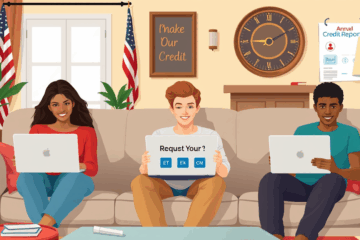
The core components include the credit score, credit report, credit history, and credit utilization.
Each plays a pivotal role in the financial world, influencing lending decisions.
| Term | Simple Definition |
|---|---|
| Credit Score | A numerical representation of creditworthiness |
| Credit Report | Detailed summary of an individual’s credit history |
| Credit History | A record of a borrower’s past repayments and debts |
| Credit Utilization | The ratio of credit used to the available limits |
When buying a car, a strong credit score, often shaped by consistent payments appearing on a credit report, can ensure better loan terms.
A solid credit history, reflecting years of timely repayments, paints a picture of reliability for lenders.
Credit utilization, ideally kept between 1% to 30%, significantly impacts these scores.
Use credit cards wisely to maintain a low ratio, a factor responsible for about 30% of your credit score.
In real life, neglecting these elements can result in higher interest rates or loan rejections.
Therefore, understanding these fundamentals forms the blueprint for achieving financial success, making it critical to include responsible credit practices in daily life.
Credit Needs Through Life Stages
Navigating credit needs throughout life involves adapting to evolving financial priorities.

For students, the journey often begins with student loans, making managing these debts crucial.
Establishing a credit history early by responsibly handling credit cards can create opportunities down the line.
It’s also essential to maintain on-time payments, as this builds a solid credit foundation that can enhance future financial prospects.
As young professionals transition into the workforce, managing their credit utilization becomes pivotal.
They should aim to keep credit card balances low while minimizing applications for new credit.
This is a crucial phase for building a robust credit profile, which may soon be leveraged for significant purchases like a home or car.
Utilizing resources like Equifax’s Life Stages Guide can provide invaluable insights during this stage.
For families, the focus may shift towards juggling mortgages and other loans.
They must prioritize maintaining a healthy credit score to provide stability and flexibility.
Families often face expenses that require smart budgeting and strategic planning to ensure long-term security.
In retirement, the emphasis on maintaining a good credit score doesn’t wane.
Retirement planning benefits from a strong credit score, ensuring retirees can manage medical expenses or other unexpected costs.
Avoiding new debt while preserving and optimizing existing assets becomes important in this stage.
Understanding these dynamics at each life stage not only enhances personal finance management but also sets the stage for a more secure financial future.
Building and Maintaining Healthy Credit
Amidst today’s financial landscape, building and maintaining a healthy personal credit score is crucial for unlocking various financial opportunities.

To achieve this, one must adopt strategic financial behaviors that ensure creditworthiness.
Below are some fundamental tactics to help improve your personal credit score:
- Pay on time — Always submit at least the minimum payment before the due date. Timely payments help establish a track record of reliability, which is a primary component of your credit score.
- Mindful credit utilization — Keep your credit card balances low relative to your credit limits. Aim for a utilization rate below 30%, as higher ratios can negatively impact your score by indicating credit dependency.
- Periodic monitoring — Regularly check your credit report for inaccuracies. Access free reports annually from each bureau, as errors can drag down your score if left unaddressed. This can also help you spot identity theft early.
- Responsible use of different credit types — Maintain a mix of credit accounts, such as credit cards, installment loans, or retail accounts. A varied credit profile demonstrates your ability to manage multiple forms of debt responsibly, which can enhance your score.
For other insights into enhancing your credit, consider exploring resources like Experian’s Guide to Building Credit for more detailed strategies.
Adopting these practices consistently can lead to significant improvements in your financial health.
Credit’s Influence on Financial Opportunities
Understanding your personal credit’s role in financial decisions is critical as it affects various financial products such as mortgages, personal loans, credit cards, and auto loans.

Your credit score directly influences the interest rates, approval odds, and terms you’ll encounter.
With a high credit score, borrowers are more likely to secure lower interest rates on loans and mortgages.
This translates to substantial savings over the life of a loan.
According to a FINRA’s guide on credit scores, “Lenders view strong credit as proof of reliability,” says a financial analyst.
In the realm of credit cards, a robust credit score can provide access to better reward programs, lower interest rates, and higher credit limits.
Furthermore, the process of loan approvals often hinges on these scores.
For instance, NCHFA’s home buying insights illustrate how potential homebuyers with higher scores benefit from improved loan terms and reduced rates.
Even minor improvements in credit scores can result in better borrowing conditions and decreased costs.
Therefore, staying aware of your credit score and working proactively to enhance it can lead to significant financial advantages across all aspects of borrowing.
Overcoming Common Credit Challenges
Overcoming personal credit challenges involves navigating various obstacles, such as limited credit history and inconsistent financial habits.

Addressing these issues demands a proactive approach.
- Limited Credit History
Establishing credit repair and building a positive credit profile is crucial.
Start by opening a secured credit card and responsibly managing the account to demonstrate reliable financial behavior.
Consider requesting credit limit increases on existing accounts to enhance your credit utilization ratio.
- Inconsistent Income
With fluctuating earnings, managing finances requires strategic planning.
Creating a comprehensive budget that accommodates income variations can help stabilize your financial situation.
Additionally, you might explore options like automatic savings plans to bolster your emergency fund during higher-earning months, which provides a buffer against potential income dips.
- High Debt
Tackling significant debt involves prioritizing payment strategies.
The snowball method encourages paying smaller debts first to build momentum, whereas the avalanche method targets high-interest debts.
Utilize financial counseling from reputable organizations, which can offer personalized guidance tailored to effectively manage and reduce your debt.
- Poor Credit Score
Improving credit scores requires consistent, positive financial actions, such as making timely payments and keeping credit balances low.
Regularly monitor your credit report for errors, and promptly dispute inaccuracies to reflect an accurate score.
Experienced credit counseling services can aid in formulating an effective recovery plan.
Each step towards overcoming these obstacles transforms challenges into opportunities for long-term financial stability.
Emphasizing strategic planning and professional support can significantly enhance personal credit health.
Personal Credit is essential for navigating financial opportunities and responsibilities.
By understanding its importance and maintaining a strong credit score, individuals can secure better financial outcomes and contribute to their overall success.