No Credit Check Loan: Fast Access with Flexible Approval
A No Credit Check Loan can be useful when speed matters and your credit history is less important than your current ability to repay. These loans often focus on income, employment, or bank activity instead of a traditional credit pull.

That flexibility can make approval faster, but it usually comes with higher borrowing costs or shorter repayment terms.
See how to get fast personal loan solutions
Understand the credit approval process step by step
Discover flexible loans tailored to your needs
Before you apply, compare the total repayment amount, fees, and due dates so the loan solves a short-term problem without creating a bigger one.
It also helps to check what documents are needed, such as proof of income, an active bank account, and a valid ID.
A lender that explains terms clearly and lets you review them before you commit is generally a safer choice.
What a No Credit Check Loan Means and How It Works
A No Credit Check Loan is a loan decision that does not rely on a traditional credit inquiry as the main approval factor.

Instead, lenders usually review current income, job stability, or banking activity to judge whether the borrower can repay.
In practice, that means the lender may move quickly, but the offer can still vary based on loan amount, repayment period, and fees. Repayment terms matter because a short schedule can raise the pressure on your next paycheck.
Some lenders may also use other verification steps, such as checking your identity and confirming your bank account.
This is why two offers that look similar at first can feel very different once the full cost and due dates are compared.
The safest approach is to review the total payoff amount and make sure the payment fits your budget before accepting.
Who Qualifies for No Credit Check Loans
Qualification usually depends on more than credit history. Many lenders look for a steady source of income, an active bank account, government-issued ID, and proof that you can handle the repayment schedule.

Some lenders also set basic requirements such as being at least 18 years old and having a regular deposit pattern from work or benefits.
If you are applying for a smaller installment loan, the decision may lean more on recent income and bank activity than on past borrowing.
Because approval is not guaranteed, it helps to compare lenders before applying.
- Minimum age and residency requirements
- Proof of income or employment
- Active checking account for funding and repayment
- Valid identification and contact information
- Budget room for fees and scheduled payments
Some lenders advertise easier approval, but the real test is whether the payment fits your cash flow. For a closer look at how these loans are positioned, see Bankrate’s overview of no-credit-check loans.
Common Types of No Credit Check Loans
No Credit Check Loan options usually fall into a few common categories, and each one works a little differently.

The best choice depends on how quickly you need funds, how much you can repay, and whether you want a one-time payment or a longer schedule.
| Loan type | Typical use | Main tradeoff |
|---|---|---|
| Payday loan | Very small, short-term cash needs | High cost and a fast due date |
| Installment loan | Larger amounts with fixed payments | More time to repay, but fees may still be high |
| Title loan | Borrowing against a vehicle | Risk of losing the vehicle if payments are missed |
| Pawn loan | Short-term borrowing with an item as collateral | You may forfeit the item if you do not repay |
Some lenders also offer cash advances or paycheck-linked loans with flexible approval. Before choosing any option, compare the total payoff amount, renewal rules, and what happens if you need more time.
Costs, Fees, and Interest Rates to Expect
The true price of a No Credit Check Loan is usually more than the interest rate alone.
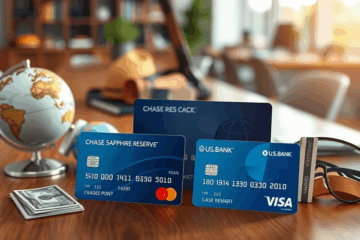
Lenders may also charge application, origination, administrative, or late fees, and some products use APR to show the combined cost of interest plus fees.
That means a loan with a lower stated rate is not always cheaper if the fee structure is heavier. Compare APR and the total repayment amount, not just the monthly payment.
Watch for costs that can raise the bill quickly:
- Origination or processing fees
- Late payment charges
- Renewal or rollover fees
- Prepayment penalties, if offered
- Higher rates for shorter terms
Before signing, ask the lender for a full breakdown in writing so you can see how much you will repay by the due date.
A clear fee schedule makes it easier to compare offers and avoid a loan that looks affordable at first but becomes expensive fast.
Pros and Cons Before You Apply
A No Credit Check Loan can help if you need money quickly and your current income is stronger than your credit profile. The main advantage is speed, but the tradeoff is usually higher fees, tighter repayment dates, or both.

Before applying, compare the total payoff amount, the payment schedule, and any penalty for being late. A loan that looks manageable today can become stressful if the due date arrives before your next paycheck.
These loans may be a fit if you have steady cash flow and only need short-term support. They are a poor fit if you are already covering multiple bills, since missed payments can make the cost rise quickly.
It is also worth checking whether the lender offers clear terms, flexible repayment, and a simple application process. If the offer feels vague or rushed, that is usually a sign to keep looking.
How to Compare Lenders and Avoid Scams
Start by comparing the full loan cost, not just the advertised payment. Look at APR, fees, repayment length, and whether the lender charges for late payments or early payoff.

Next, verify that the company is licensed in your state and has a real business address, working phone number, and clear loan disclosures. A legitimate lender should explain the terms before you sign and never pressure you to decide immediately.
Be cautious if the lender asks for an upfront fee, promises guaranteed approval, or avoids answering questions about repayment. Those are common warning signs in loan scams.
It also helps to compare at least two or three offers on the same day so the rates and terms are easier to judge. For a more detailed checklist, see how to spot personal loan scams.
Application Steps and Documents You May Need
The application usually starts with a short online or in-person form that asks for your contact details, income, and banking information. Some lenders can review and respond quickly if your documents are complete.

To avoid delays, have these items ready before you apply:
| Document or detail | Why it may be needed |
|---|---|
| Government-issued ID | To verify your identity |
| Proof of income | To show repayment ability |
| Active checking account | For funding and automatic repayment |
| Contact information | To confirm reachability and application status |
| Recent bank activity | To help assess cash flow |
After submission, review the loan terms carefully before accepting. Check the payment dates, total repayment amount, and any fee that could change what you owe.
If anything is unclear, ask the lender to explain it in writing before you agree.
Safer Alternatives if You Need Cash Fast
If a No Credit Check Loan feels too expensive or risky, compare it with faster options that may be safer to repay.

Many lenders now offer same-day or next-day personal loans, and some emergency loan products give you more time than a payday loan.
You can also look at lower-risk alternatives like borrowing from a credit union, using a paycheck advance from your employer, asking for a payment plan with the biller, or selling an item you no longer need.
If you have a bank account, it may be worth comparing quick personal loan offers before choosing a higher-cost product. For a broader list of emergency borrowing choices, Bankrate’s emergency loan overview explains common fast-funding options and how they differ.
The best choice is the one that solves the cash problem without pushing you into another shortage next month. When possible, focus on total repayment, speed, and whether the payment fits your budget.