Boost Personal Credit for Freelancers Today
Personal Credit plays a vital role for freelancers and self-employed individuals in the USA, offering pathways to crucial financial resources.
In this article, we will explore various personal loan options suited for those who do not rely on traditional W-2 income.
Make your dreams a reality!
Start your journey to financial freedom!
Take the next step towards your goals!
Understanding how to qualify for these loans, navigating interest rates, and the application process are essential steps to securing funding.
Additionally, we will discuss credit cards specifically designed for self-employed workers, focusing on their benefits, such as rewards and no annual fees.
Ultimately, building personal credit is key to unlocking better financial opportunities for freelancers.
Why Credit Matters for the Autonomous Workforce
For freelancers and self-employed individuals in the USA, maintaining a strong credit score is more than a number—it’s a gateway to financial flexibility.

Without the steady W-2 income that traditional employees present, lenders often view independent workers as higher-risk borrowers.
A solid credit history becomes a critical qualification tool, helping unlock access to personal loans, low-interest credit cards, and other essential financial tools.
According to Equifax’s education on gig economy credit, a good credit score can outweigh income instability when seeking financing.
Relevant to this financial ecosystem, many funding options like those described at Fibre Credit Union’s lending platform depend heavily on personal creditworthiness.
Therefore, a well-managed credit profile is vital not only for securing financing but also for smoothing cash flow during unpredictable income periods, reinforcing the freelancer’s resilience in the face of uncertainty
Initial Credit Establishment
Freelancers in the USA often face challenges when establishing credit due to the lack of traditional income documentation.
To start building credit, one effective option is applying for a credit-builder loan through Self, which allows individuals to make small monthly payments while building a payment history.
Using a secured credit card from a reliable lender is also highly recommended as the deposit becomes your credit limit, reducing the lender’s risk.
These secured products are ideal for freelancers because they require no credit history and support reporting to all major credit bureaus.
Always prioritize on-time payments as they are the foundation of your credit profile.
Furthermore, maintaining a low credit utilization rate ensures stable credit growth.
These tools help you create a solid credit foundation, which is essential for future borrowing options and financial flexibility.
Strategic Credit Behavior
For self-employed individuals in the USA, maintaining low credit utilization and making punctual payments are essential strategies for improving personal credit.
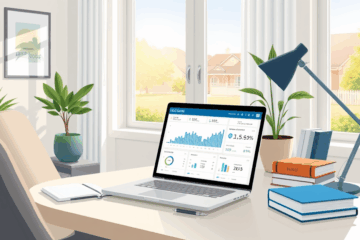
A key metric lenders monitor is the credit utilization ratio, which expresses how much of your available credit you’re actually using.
According to Centier Bank’s explanation of utilization, keeping this ratio below 30% signals credit responsibility.
At the same time, paying all bills on time demonstrates your reliability, influencing your score decisively.
As Experian details for self-employed applicants, consistent payment history and controlled credit usage can offset any risk perceptions and help legitimize income predictability over time.
Navigating Ongoing Credit Challenges
Freelancers and self-employed professionals across the United States often struggle to maintain solid personal credit due to two ongoing and deeply interconnected challenges: income variability and accurate documentation.

Without the consistency of traditional employment, self-employed individuals report earnings that fluctuate significantly from month to month.
This inconsistency affects their ability to make predictable, on-time payments, which directly impacts credit score performance.
Traditional lenders favor borrowers with stable income, making self-employed applicants appear riskier even when they are financially responsible.
Compounding this issue is the difficulty of verifying income.
Unlike salaried workers with W-2s and pay stubs, freelancers rely on tax documents and bank statements that must be accurate and timely.
Platforms such as SolidGigs’ freelancer income verification guide explain that a Schedule C from a 1040 tax return becomes essential, but many still face scrutiny.
Documentation delays and inconsistencies can quickly become barriers, affecting loan approvals or access to credit increases.
To overcome these setbacks, freelancers must maintain meticulous records and commit to consistent financial behavior, despite their unpredictable earnings.
Securing Loans and Premium Cards
Qualifying for business lines of credit and premium credit cards as a self-employed worker in the USA requires a mix of verifiable income, good credit, and a demonstrated business purpose.

Even sole proprietors can access Ink Business Preferred® Credit Card or the American Express® Business Gold Card by proving consistent freelance income through tax returns or bank statements.
Lenders usually review your credit score, business revenue, and time in business.
A strong personal credit score bolsters eligibility, especially for freelancers without formal payroll.
Providers like Bank of America’s Small Business Cards and Brex Business Credit Cards offer high credit limits and business-specific rewards, making them attractive to self-employed professionals building long-term financial flexibility.
Essential Tools for Credit Monitoring and Improvement
Freelancers and self-employed individuals often face unique challenges in maintaining and improving their credit.

Leveraging the right digital tools is essential for staying financially healthy.
Start by regularly checking your reports through official platforms like AnnualCreditReport.com, which provides free access from all three major credit bureaus.
For ongoing insights, apps like NerdWallet’s recommended credit monitoring services help detect suspicious activities and alert you instantly.
Credit Karma and Experian offer user-friendly dashboards displaying real-time credit updates and personalized improvement tips.
As you track your score, it’s also important to set up timely payment reminders and reduce credit utilization.
Tools like Cleo or MoneyLion, highlighted in the Slashdot list of cash advance apps, can even offer financial flexibility while maintaining your credit standing.
Making credit health a habit unlocks better loan rates and growth opportunities
In conclusion, understanding personal credit options is essential for freelancers and self-employed individuals.
By strategically navigating loans and credit cards, they can enhance their financial stability and open doors to improved opportunities.